Enhancing Fitness Coaches With Essential CPR, AED, and First Aid Training for Improved Client Protection
Professional trainers serve a key role in assisting clients improve overall fitness, wellness, and overall well-being. Their duties extend beyond creating training plans and coaching exercise methods. Trainers often interact directly with clients who have different medical backgrounds, fitness levels, and risk factors. Because exercise can put stress on the human body, emergencies such as acute physical injuries, fainting, or cardiac events can happen unexpectedly. For this cause, essential CPR and first aid training is a vital element of certified exercise coaching and supports a more secure exercise environment.
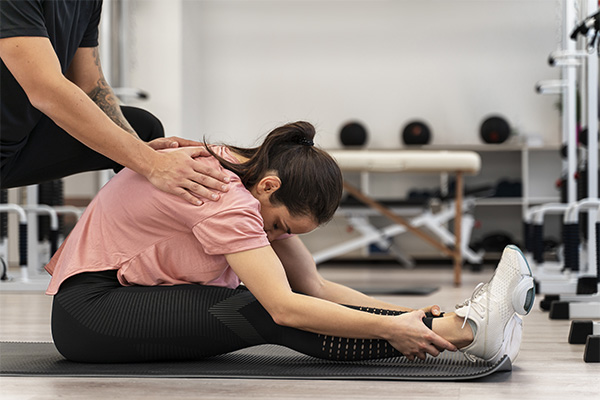
Emergency care education provide fitness professionals with the understanding and abilities needed to respond promptly and appropriately during critical situations. Cardiopulmonary resuscitation techniques are designed to maintain blood circulation and respiration during cardiac arrest until emergency responders take over. Basic medical training covers immediate response actions such as treating minor wounds, handling sprains, identifying symptoms of heat-related illness, and reacting to choking incidents. These life-saving techniques help trainers to remain calm and prepared when faced with unplanned events in fitness centers, training facilities, or outdoor training spaces.
Enhanced client safety is one of the most important benefits of proper emergency care instruction. When trainers are trained in emergency response, clients can remain more secure and safe during exercise sessions. This sense find more of security supports confidence, which is essential in the trainer-client relationship. Knowing that a fitness professional is trained in emergency response also encourages participants to push themselves responsibly, knowing that potential dangers are being controlled by a competent individual who knows risk reduction and urgent response.
From a career perspective, emergency training credentials also enhance the credibility of personal trainers. Many Get More Information health clubs and exercise centers expect up-to-date certification as a component of hiring requirements. Safety readiness shows professionalism, accountability, and commitment to participant safety. Trainers who maintain these skills show that they prioritize safety alongside performance and physical outcomes. This can improve career opportunities, professional reputation, and long-term client retention.
Incorporating core emergency care education into the ongoing education of fitness professionals promotes more secure fitness environments and better results for clients. Life-saving education complements exercise science, physical conditioning, and coaching skills. By being ready for health emergencies and injuries, trainers add to improved standards of care within the fitness industry. Ultimately, empowering personal trainers with emergency response skills leads to enhanced client safety and a more secure, supportive approach to exercise programming.